
What is the Difference Between Centrifugal and Masticating Juicers?
Centrifugal juicers extract juice by high-speed, spinning blades, while masticating juicers slowly crush and press. Compare both to find the right juicer for you.
Confused by juicing jargon? This article will discuss the two main types of juicers, how they work, and what sets them apart.
What to choose? Deciding on a juicer should feel exciting; let this information help you choose what best fits your everyday routine.
Some Definitions to Know -
- Centrifugal - this is the most common type of juicer. Centrifugal juicers utilise fast processes of high-speed, spinning blades to extract juice by cutting ingredients and separating pulp with centrifugal force.
- Masticating - also known as cold press or slow juicers. Masticating juicers operate by crushing and squeezing the juice out of ingredients at a slow speed, using a strong augur/screw. This then separates the pulp by pushing ingredients at a high pressure against a fine screen/sieve.
- Juice Yield - this is the amount of juice extracted from a given amount of produce. The higher the yield, the better.
A quick answer to what the difference between a masticating and a centrifugal juicer is: centrifugal juicers prioritise speed; masticating juicers prioritise slow processes and quality.
This means it is important to consider your ingredients, budget, and routine to find your best choice. To help you, here is a breakdown of how each aspect of a juicer plays into your decision-making.
Comparison - Centrifugal vs Masticating: At a glance…
|
Category |
Centrifugal |
Masticating |
|
Extraction Speed |
Faster |
Slower |
|
Juice Quality |
Lower |
Higher |
|
Juice Yield |
Average |
High |
|
Price |
Affordable |
Expensive |
|
Ease of Use |
Good |
Average |
|
Material Quality |
Average |
High |
|
Warranty Cover |
Short |
Long |
Comparison: Some more detail…
Understanding Centrifugal Juicers -
Key words -
- Spin
- Speed
- Grate
- Separate
As previously mentioned, how centrifugal juicers work is by using a fast, disc-shaped grater to shred ingredients apart in order to release and extract juices. This high-speed operation is what generally defines a centrifugal juicer, with speeds varying from 10,000 to 25,000 rotations per minute (RPM). As juice is released, the centrifugal force produced by the high speed pulls juice to the edge of the disc, where a mesh wrap separates the juice from the pulp as it passes through. Filtered juice then trickles down below the cutting disc and is funnelled out of the juicer through a spout and into a receptacle of your choice.
Fast extraction and more accessible prices make this a practical style of juicer. If an affordable juicer that is easy to use is at the forefront of your juicing priorities, centrifugal juicers have some notable positives. However, it is important to consider the difference in quality and cheaper construction, which can lead to reliability issues. However, some models are far less susceptible to these problems than others.

Understanding Masticating Juicers -
Key Words:
- Squeeze
- Slow
- Cold Press
- Quality
Masticating juicers use a slowly rotating auger/screw to crush and squeeze ingredients at a high pressure, pressing and masticating them until juice is extracted and funneled out while the pulp is separated by a finely perforated screen. Masticating juicers are split into further sub-categories such as ‘Vertical’ or ‘Twin Gear’, depending on their design and method. If you would like to learn more about these, you can see the different types of slow juicers.
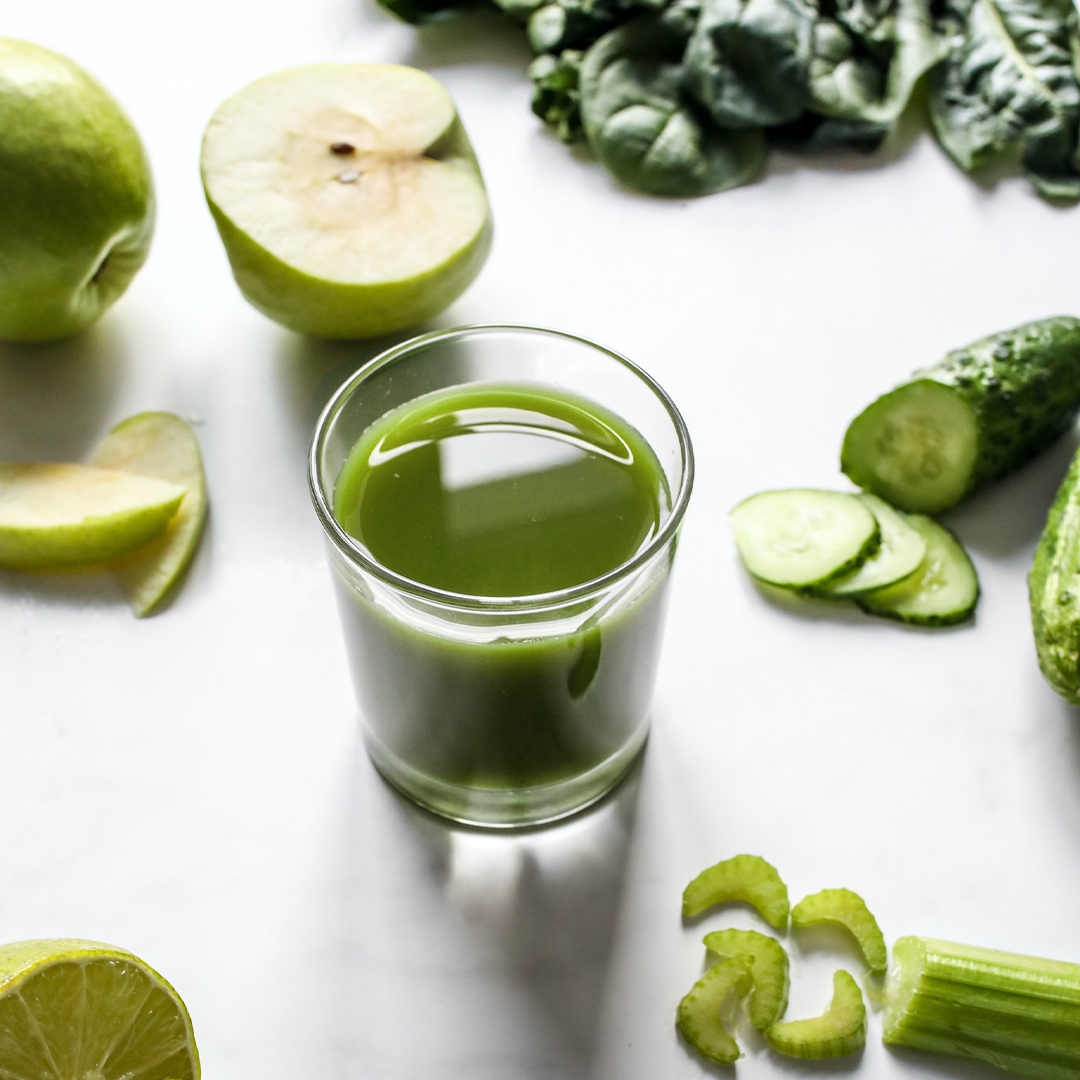
“Masticating vs Centrifugal -
So the big question is, are masticating juicers better? In contrast to centrifugal juicers, masticating juicers allow higher levels of juice that is full of vitamins and minerals to be extracted. If high-quality juice that is rich in nutritional value is something you want to prioritise in your juicing experience, masticating juicers might be a better fit for you! Along with this, other notable positives of masticating juicers include quieter operation, higher juice yield with leafy greens, and also often a longer shelf life! This is all thanks to the slower juicing process of the masticating juicer, operating between 40 and 150 RPM! This is much slower than their centrifugal counterparts, ensuring less oxidisation and heating whilst juicing and therefore improving shelf life and quality!
Despite all of these benefits of masticating juicers, the best juicer is ultimately the one that will best fit you! Masticating juicers are generally more expensive and may require more time and effort to use. However, all comparisons like these are ultimately a generalisation, as even some masticating juicers would be even easier to use than centrifugal juicers! For example, Hurom juicers benefit from ‘Self-Feeding’ technologies.
Conclusion -
After establishing what the differences between a masticating and a centrifugal juicer are, which is better for you? This depends on your personal lifestyle and criteria! Depending on what you are juicing the most, how you like to spend your mornings, and how you like to invest your money, will determine which juicer is best for you. Your routine, your budget, your juicer.
Our Juicer Recommendations -
For Centrifugal Juicers -
Vidia CJ-001 Centrifugal Juicer in Chrome
Magimix Juice Expert 3 Juicer 18082 in Satin
For Masticating Juicers -
Hurom H400 Self-Feeding Slow Juicer in Black
Hurom H200 Self-Feeding Slow Juicer in Red
Aside from these, there are plenty of types of juicers available, all with reliable and innovative designs. To find more, check out our Centrifugal Juicers or Masticating Juicers.
Related Reading -
- 10 Things To Consider Before Buying A Juicer
- Hurom H400 Vs Nutribullet | Juicers.co.uk
- A Week of Juicing: What Happened When We Tried It | Juicers.co.uk
- Quietest Juicers for Home Use (No More Morning Noise)
- What Are Slow Juicers?
- Which is the Best Juicer for You?