
Healthy Alternatives to Energy Drinks: 7 Natural Swaps + 2 Recipes
The best healthy alternatives to energy drinks are green tea, matcha, fresh vegetable juice, fruit and protein smoothies, coconut water, water with a pinch of salt and citrus, and herbal teas. They give you a slower, steadier release of energy without the sugar spike and crash, and most take under five minutes to make at home.
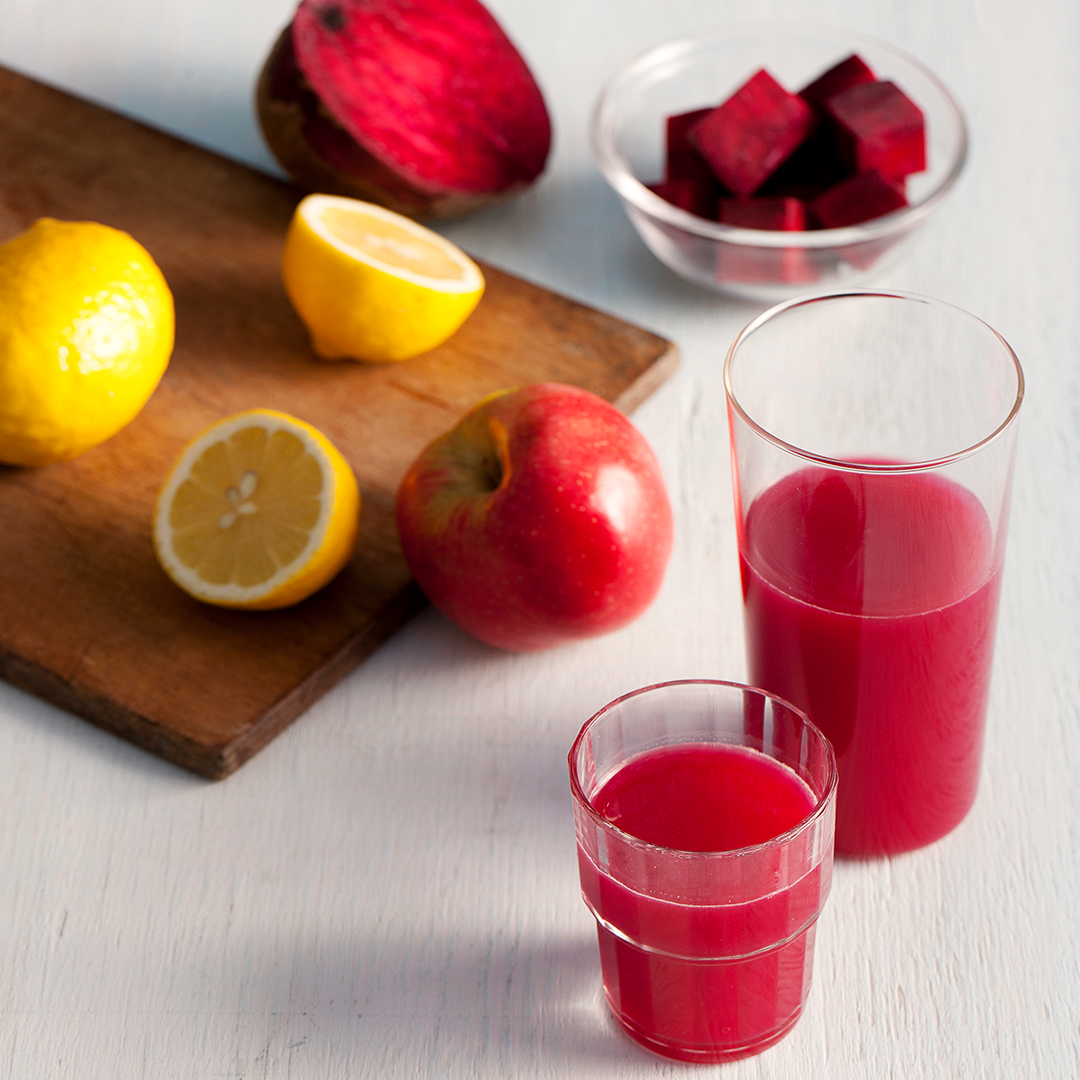
Whether you need a lift before the gym, something to get you through a long workday, or a boost on a busy morning with the kids, reaching for a can is easy. But most energy drinks rely on a large hit of caffeine and sugar, and the energy rarely lasts. Below, we compare the most popular energy drink alternatives and share two recipes we recommend.
In this guide -
- Are energy drinks bad for you?
- What can I drink instead of energy drinks?
- Energy juice and smoothie recipes
- How to build a routine that keeps your energy up
- FAQs
Are Energy Drinks Bad for You?
An occasional energy drink is unlikely to harm a healthy adult, but regular use adds up quickly. The main issues are the amount of caffeine and sugar in a single can.
- Caffeine: the NHS lists a 250ml can of energy drink at about 80mg of caffeine, so a typical 500ml can has around 160mg. That is more than a cup of instant coffee (about 100mg) (NHS).
- Sugar: full-sugar energy drinks contain up to 20 teaspoons of sugar (78g) per 500ml serving (HealthLine).
The fast hit of high levels of both caffeine and sugar is often followed by a dip in energy, which makes it tempting to reach for another can. Cravings and dependency are a side effect of energy drink consumption - drinking too much caffeine can lead to headaches, jitters, anxiety, a racing heart, and poor sleep. Poor sleep then leaves you more tired the next day, which keeps the cycle going. Natural energy is always better.
What Can I Drink Instead of Energy Drinks?
These seven swaps are alternatives to energy drinks that can give you energy in a steadier way, and most add nutrients rather than just sugar!
- Green tea: a gentler dose of caffeine than coffee, plus L-theanine, which many people find gives a calmer, more focused feel.
- Matcha: powdered whole green tea leaf, so you get more of the leaf in each cup. A good choice if you want something closer to a coffee-strength lift without the sugar.
- Fresh vegetable juice: beetroot, carrot, apple, and ginger give natural sugars alongside vitamins and minerals. Vegetable-led juices keep the sugar lower than fruit-only juice.
- Smoothies: blending keeps the fibre, and adding protein, oats, or seeds slows the release of energy so it lasts longer.
- Coconut water: naturally contains potassium and electrolytes. This is a great alternative that is useful after exercise or on a hot day.
- Water with lemon and a pinch of salt: mild dehydration is a common cause of tiredness. Sometimes a large glass of water is all you need.
- Herbal teas: caffeine-free options like ginger or peppermint can wake you up without affecting your sleep, ideal for the afternoon.
Healthy Alternatives to Energy Drinks Comparison -
|
Drink (typical serving) |
Caffeine (approx.) |
Added Sugar |
Type of Energy |
Extra benefit |
|
Full-sugar energy drink (500ml) |
160mg |
High (up to 20tsp) |
Fast Spike - followed by crash |
None |
|
Instant coffee (1 cup) |
100mg |
None |
Quick Boost |
Antioxidants |
|
Green or black tea (1 cup) |
Up to 75mg |
None |
Gentle & Steady |
L-theanine, Antioxidants |
|
Matcha (1 tsp powder) |
60 - 75mg |
None |
Gentle & Steady |
Antioxidants |
|
Homemade energy juice |
0mg |
None |
Natural Sugars - quick but gentle |
Vitamins, nitrates & minerals |
|
All-day energy smoothie |
0mg (small amount from cocoa) |
None |
Natural Sugars - quick but steady |
Protein, fibre, healthy fats. |
|
Coconut water (330ml) |
0mg |
None |
Hydration |
Potassium |
Caffeine figures for energy drinks, coffee and tea are from the NHS. Amounts vary by brand and how strong you make your drink.
Healthy Energy Drink Recipes To Make At Home -
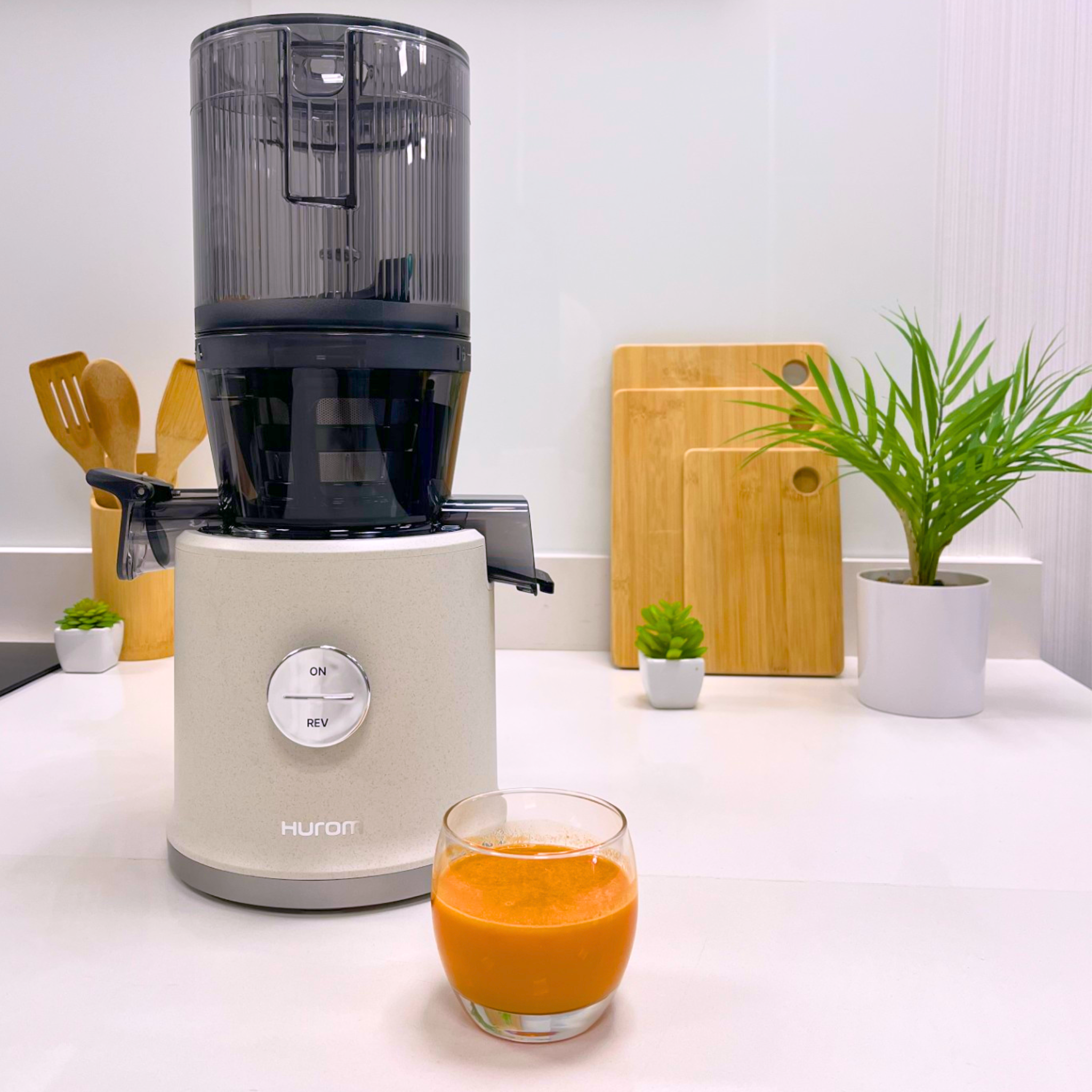
Homemade Energy Juice -
Approximate details and nutrition: * Prep time: 5 minutes. Calories: 150kcal. Sugar: 25g.
*Nutrition information is approximate and provided as a guide only. Actual values may vary.
Ingredients:
- 1 medium beetroot
- 1 carrot
- 1 green apple
- 1 inch piece of fresh ginger
- ½ lemon, peeled
Method:
- Wash everything well. There is no need to peel the apple, beetroot, or carrots.
- Cut the beetroot and apple into pieces that fit your juicer's feed chute.
- Juice the ginger and lemon first, then alternate the harder beetroot and carrot with the softer apple to keep things moving.
- Stir and drink straight away for the best flavour and nutrients.
To make this homemade energy juice, the Hurom Self-Feeding Slow Juicer is a great place to start! Why we use a slow juicer for this one: beetroot and carrot are hard, dense vegetables. A slow juicer like the Hurom H80ST Pure Press Self-Feeding Slow Juicer presses them at low speed, so you get more juice and less foam than with a fast centrifugal juicer.
Made with the Hurom H80ST Self-Feeding Slow Juicer, this recipe is estimated to yield around 330 ml of juice, based on our previous tests with similar ingredients in slow juicers. Actual yield will vary with ingredient size and preparation.
At an estimated £1 per batch for ingredients, it offers an affordable homemade alternative. Compared with a similarly sized energy drink, that’s approximately half the price.
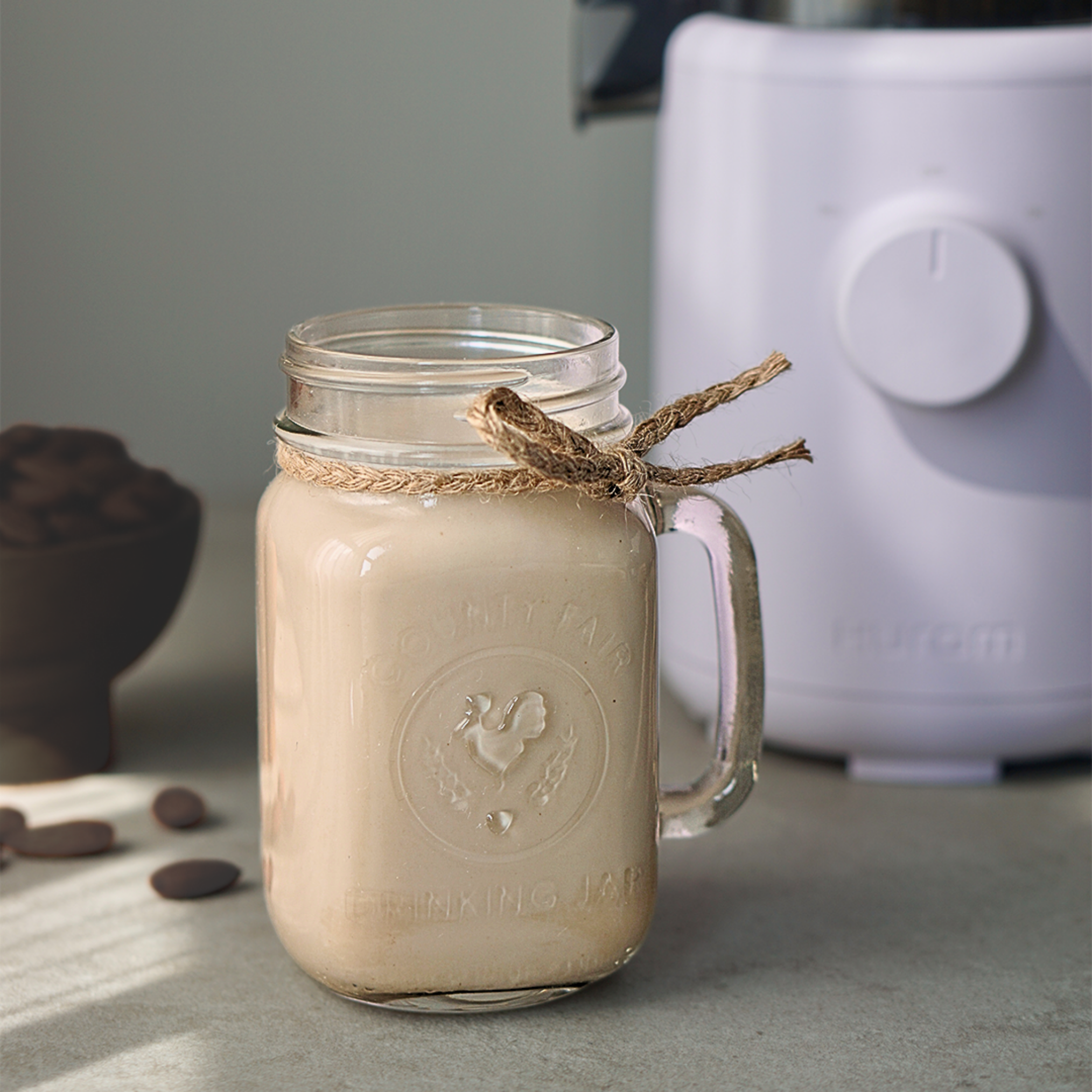
All-Day Energy Smoothie -
Approximate details and nutrition: * Prep time: 3 minutes. Calories: 250 kcal. Sugar: 15g.
Fibre: 5g. Protein: 25 g.
*Nutritional information is approximate and provided as a guide only. Actual values may vary.
Ingredients:
- 1/2 banana (frozen for a thicker smoothie)
- 1 pitted date
- 1 scoop protein powder
- ½ teaspoon cocoa powder
- ½ teaspoon flaxseeds
- ½ teaspoon chia seeds
- 300ml milk or plant milk
Method:
- Add the milk to the blender first, then the remaining ingredients.
- Blend on high for 45 to 60 seconds until completely smooth.
- Add a few ice cubes or a splash of more milk to adjust the thickness.
The protein, fibre, and healthy fats from the seeds slow down how quickly the natural sugars from the banana and dates are absorbed. This means that this smoothie reduces caffeine and blood sugar spikes and provides you with energy that lasts longer than a can of energy drink. We would recommend a powerful blender such as the Magimix Power Blender 5XL, due to its capability in breaking down whole seeds and frozen fruit fully, which is what gives a smooth texture. The Magimix Power Blender 5XL also helps blend the protein and cocoa powders evenly into the smoothie for a consistent texture, making it a versatile choice as you explore new recipes.
How to Build a Routine That Keeps Your Energy Up -
Swapping your energy drink for a healthier alternative is a good first step, but steady energy comes from your whole day.
- Eat regular, balanced meals. Starchy foods like oats, potatoes, wholegrain rice and wholemeal bread release energy slowly and keep you going for longer.
- Drink water throughout the day. Keep a bottle on your desk or in your gym bag.
- Time your caffeine. Have tea, matcha or coffee in the morning and switch to caffeine-free drinks after lunch so it does not affect your sleep.
- Prep ahead. Chop juice ingredients the night before, or freeze smoothie packs so breakfast takes two minutes.
- Cut down gradually. If you drink energy drinks daily, swap one at a time to avoid caffeine withdrawal headaches.
Frequently Asked Questions -
What is the healthiest alternative to an energy drink?
Green tea and matcha are the closest swaps if you still want some caffeine, as they have less caffeine than most energy drinks and no added sugar. For a caffeine-free option, a vegetable-based juice or a protein smoothie gives natural energy plus vitamins, minerals, and fibre.
What drink gives you energy without caffeine?
Beetroot juice, smoothies with oats or protein, coconut water, and plain water all help. Many people who feel tired are mildly dehydrated, so water is often the quickest fix.
Is matcha better than an energy drink?
For most people, yes. Matcha has no added sugar, contains antioxidants and L-theanine, and tends to give a smoother lift without the sharp crash.
Is fresh juice healthier than an energy drink?
Yes, especially vegetable-led juices. They have no added sugar or caffeine and provide vitamins and minerals. Fruit-only juice is still high in natural sugar, so mix in vegetables such as beetroot, carrot, celery, or spinach.
Do I need a slow juicer to make energy juice?
You can use any juicer, but a slow (masticating) juicer handles hard vegetables like beetroot and carrot better and gets more juice from them. Browse our slow juicer range to compare models.
The Bottom Line -
Energy drinks give a quick fix, but the sugar and caffeine often leave you more tired later. Green tea, matcha, fresh juice and smoothies give steadier energy release and add real nutrients. Start by swapping one can a day for the beetroot juice or smoothie above and see how you feel.
While getting the energy you are looking for within these energy drink alternatives, you have not only removed possible consequences to your health, but you have actually added health benefits, such as fiber, healthy fats and carbohydrates, antioxidants, and micronutrients. Swapping out energy drinks for healthier alternatives could be the first step to a better routine for you.
Regular, balanced meals are also part of the process of replacing the need for energy drinks; starchy foods such as potatoes, rice, and oats all provide energy that is longer-lasting and better for your body. Simple replacements like this can build a healthier lifestyle.
Related Reading -
- The Pre-Kickoff Energy Boost Juice Recipe | Juicers.co.uk
- The Best Pre Workout Juice Recipe | Juicers.co.uk
- How Long Does Fresh Juice Last? Storage Tips That Work | Juicers.co.uk
- Which Juicer Suits Your Shopping Basket?
- Quietest Juicers for Home Use (No More Morning Noise)
- Juicing Vs Blending | Juicers.co.uk
- What Is the Difference Between a Masticating Juicer and a Cold Press Juicer?
- Best Blender for Smoothies in the UK: Top Picks for 2026 | Juicers.co.uk